- Key Takeaways
- What Exactly Is TCM Postnatal Massage and Why Many New Mothers Find it Beneficial?
- How Does TCM Postnatal Massage Actually Help Your Body Heal?
- The Real Benefits of TCM Postnatal Massage: What Changes for New Mothers
- TCM Postnatal Massage vs Jamu — Which One Is Right for You?
- When Can I Start TCM Postnatal Massage? (Natural Birth vs C-Section)
- Safety, Contraindications, and Important Considerations
- A Quick-Reference Guide to Common Postpartum Considerations
- Feeling Overwhelmed? How TCM Postnatal Massage Supports Your Emotional Well-Being
- Your First TCM Postnatal Massage Session: What to Expect at Nuo ER TCM
- Is TCM Postnatal Massage Right for You? Signs It's Exactly What Your Body Needs
- Every Mother Deserves a TCM Postnatal Massage
Giving birth is one of the most physically and emotionally demanding experiences a woman can go through. Yet in those early weeks after delivery, recovery often takes a back seat to caring for a newborn.
At Nuo ER TCM, we believe that supporting the mother is just as vital as welcoming the baby. TCM postnatal massage is a widely used and respected therapy in traditional Chinese medicine to help new mothers heal naturally, gently, and completely.
Key Takeaways
- TCM postnatal massage combines tuina, acupressure, and herbal techniques to speed up postpartum recovery.
- It addresses physical healing, such as reducing swelling, relieving muscle tension, improving blood circulation, and promoting emotional well-being.
- Breast massage can support lactation, ease breast engorgement, and address low milk supply and blocked ducts.
- Most mothers can begin postnatal tuina as early as one week after a natural birth, or 3–6 weeks after a C-section, with physician guidance.
What Exactly Is TCM Postnatal Massage and Why Many New Mothers Find it Beneficial?
Traditional Chinese Medicine (TCM) postnatal massage, known as postnatal tuina, is a specialised form of therapeutic bodywork rooted in TCM principles.
Unlike a general relaxation massage, it is designed specifically to address the unique physical and hormonal changes a woman experiences during the postpartum period.
In TCM philosophy, childbirth depletes a woman’s Qi (vital energy) and blood, disrupts hormonal balance, and leaves the body vulnerable to cold pathogens and blood stagnation.
Postnatal tuina works by stimulating meridian points, restoring qi flow, and promoting blood circulation throughout the body, triggering the body’s own healing process.
It differs from jamu postnatal massage, which is rooted in traditional Malay and Indonesian herbal practices, though both are widely used in Singapore for massage and share many overlapping goals, including womb recovery and reducing fluid retention.
How Does TCM Postnatal Massage Actually Help Your Body Heal?
A certified TCM physician will assess your individual constitution before recommending specific massage techniques. The session typically involves:
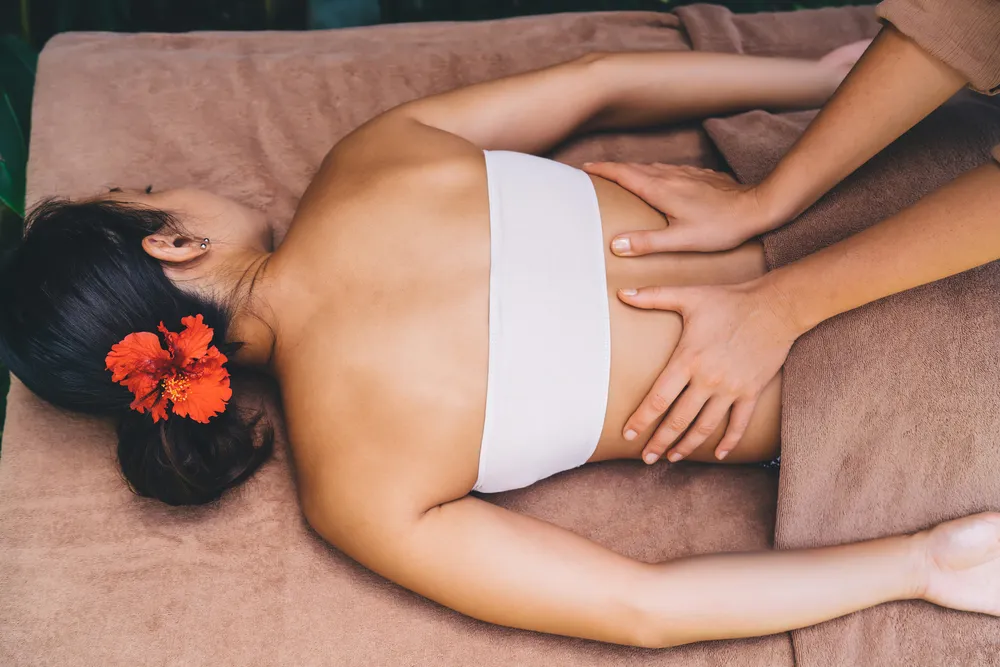
- Tuina (推拿): A firm but gentle massage technique that uses acupressure along meridian lines to restore qi flow, release muscle tension, and improve blood flow to the uterus and abdominal muscles.
- Acupoint stimulation: Targeted pressure on specific acupoints to balance hormones, regulate stress hormone (cortisol) levels, and support the nervous system.
- Breast massage: Specialised strokes to promote lactation, relieve breast engorgement, clear blocked ducts, and address low milk supply by encouraging better milk production by upto 13-fold.
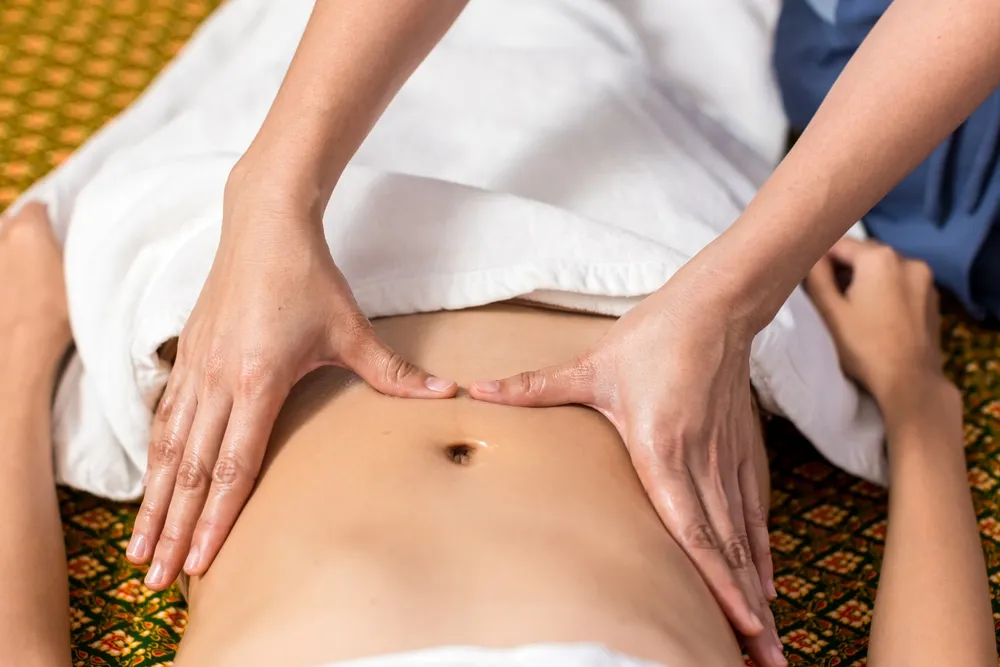
- Abdominal and uterine massage: Gentle techniques to assist uterine contractions, encourage womb recovery, and help the uterus return to its pre pregnancy state.
- Pelvic realignment: Specific techniques to ease pelvic pain, restore pelvic floor integrity, and address muscle strain in the lower back and hips.
Natural oils may be used during the session to nourish the skin, reduce friction, and enhance the soothing massage experience.
The Real Benefits of TCM Postnatal Massage: What Changes for New Mothers
The benefits of postnatal massage extend well beyond relaxation. Here is a summary of what new mothers can expect:
| Benefit | How It Helps |
| Reduce swelling | Lymphatic drainage techniques flush out excess fluids and water retention, easing puffiness in limbs and face. |
| Improve blood circulation | Enhance blood circulation throughout the body to deliver oxygen and nutrients for faster tissue repair. |
| Alleviate muscle tension | Targets muscle strain in the back, shoulders, neck, and hips — areas most affected by giving birth and breastfeeding posture. |
| Hormonal balance | Acupoint work helps balance hormones, stabilise mood, and reduce the risk of postpartum depression. |
| Support lactation | Breast massage triggers oxytocin release, improving milk supply and relieving breast engorgement. |
| Womb recovery | Abdominal techniques encourage uterine contractions and reduce lochia (postnatal discharge). |
| Emotional well-being | Supports emotional well-being by lowering cortisol (the stress hormone), promoting relaxation, and better sleep quality. |
| Pelvic realignment | Eases pelvic pain and supports hormone regulation during the critical first weeks postpartum. |
TCM Postnatal Massage vs Jamu — Which One Is Right for You?
Many Singapore mothers ask about the differences between TCM and jamu approaches. While both are effective for postnatal recovery, they differ in their roots and methods:
- TCM postnatal massage (postnatal tuina): Based on Traditional Chinese Medicine principles. Uses meridian theory, acupressure, and Qi regulation. Often combined with moxibustion or herbal medicine.
- Jamu postnatal massage: Rooted in Malay-Javanese tradition. Uses herbal pastes and wraps (bengkung belly binding), focuses on expelling wind, reducing fluid retention, and tightening the abdomen.
Both support physical healing, improve circulation, and support postpartum health. Your TCM physician can advise which approach or combination suits your constitution and recovery journey best.
When Can I Start TCM Postnatal Massage? (Natural Birth vs C-Section)
The right time to begin postnatal massage depends on your delivery method and recovery progress. Always consult your doctor or a MOH-registered TCM physician before starting.
| Delivery Type | Earliest Start | Notes |
| Natural birth / natural delivery | 7 days post-partum | Once the initial lochia has reduced and you feel ready. Doctor clearance recommended. |
| C-section | 3–6 weeks post partum | Wait until the incision has fully healed. Inform the therapist of the surgery site. |
| Complicated delivery | As advised by the physician | Individual assessment required. A TCM consultation can guide the recovery process. |
For the postpartum period, the traditional confinement window of 28–42 days is a good starting point, but full recovery, including hormonal fluctuations settling and abdominal muscles regaining muscle strength, can take 3–6 months.
Safety, Contraindications, and Important Considerations
TCM postnatal massage is not a one-size-fits-all therapy. As your body recovers from childbirth, your internal organs gradually return to their pre-pregnancy positions, and your hormone levels recalibrate. There are a few important considerations to keep in mind. The guidance below is designed to help you and your TCM physician decide on the safest, most supportive approach for your unique recovery.
When to Hold Off on a Session
It is best to wait and speak with your doctor before booking a massage if you are experiencing:
- An active infection or fever
- Unhealed wounds, including a C-section incision that is still healing or an episiotomy site that has not fully closed
- Heavier-than-expected postpartum bleeding
- Blood clots (DVT) — because massage may dislodge a clot, which could potentially travel elsewhere in the body, this should always be reviewed by a doctor first
A Quick-Reference Guide to Common Postpartum Considerations
| Issue | When to Hold Off | When It May Be Beneficial | Timeline |
| Active bleeding (postpartum haemorrhage) | Hold off until medically reviewed | Once stabilised and cleared by your doctor | Depends on severity |
| C-section incision | Avoid direct contact with the wound | Once the incision has healed | Typically 3–6 weeks |
| Breast engorgement | Mild caution around tender areas | A primary area of support | Often offers timely relief |
| Postpartum mood changes | Not a replacement for medical care | Helpful as a supportive therapy alongside medical care | Ongoing, alongside professional support |
When to Delay or Pause Your Treatment
Even after you have started, listen to your body and consider postponing a session if:
- You are currently on strong pain medication (such as opioid-based prescriptions) that may affect your ability to feel sensations during the massage
- You notice signs of complications, such as extreme dizziness or sudden, sharp abdominal pain.
- You have an ongoing medical condition or are on medications that may interact with massage therapy — please discuss with your doctor first
When to Pause a Session Immediately
If you experience any of the following during a session, let your therapist know straight away and seek medical attention:
- A sudden increase in vaginal bleeding
- Severe pain (postnatal massage should not cause severe discomfort)
- Signs of infection — sudden chills, nausea, or pus near an incision site
The Importance of Professional Qualifications
In Singapore, postnatal massage should be performed by a MOH-registered TCM physician. A registered physician understands postpartum anatomy and is trained to apply acupressure techniques that aim to support milk flow and uterine recovery as part of postpartum care. This also means medical accountability — an important consideration when choosing care for your recovery.
Always consult your primary healthcare provider or OB-GYN before beginning any new postnatal treatment to ensure it aligns with your specific recovery path.
Feeling Overwhelmed? How TCM Postnatal Massage Supports Your Emotional Well-Being
Postpartum depression and mood swings affect a significant number of new mothers, yet they are still often under-discussed.
Research published in the Journal of Alternative and Complementary Medicine has found that massage therapy can meaningfully reduce anxiety and depressive symptoms in postpartum women by lowering cortisol and increasing serotonin and dopamine levels.
TCM postnatal massage may help improve emotional well-being as part of a comprehensive postpartum recovery plan. By regulating Qi flow and hormonal balance, it helps to stabilise mood, ease the significant stress that accompanies new motherhood, and improve sleep quality, all of which are critical factors in preventing or managing postpartum depression.
This holistic dimension is what sets TCM postnatal care apart: it treats the whole person, not just the symptoms.
Your First TCM Postnatal Massage Session: What to Expect at Nuo ER TCM
At Nuo ER TCM in Tanjong Pagar, every postnatal massage begins with a detailed consultation by our MOH-registered TCM physician.
They will assess your Qi, blood, and overall constitution before recommending the most appropriate massage techniques and treatment frequency.
A typical session includes:
- Full-body tuina focuses on the back, shoulders, hips, and legs to alleviate muscle tension and promote relaxation.
- Abdominal and uterine massage to encourage womb recovery and reduce postnatal discomfort.
- Breast massage, as needed, to support lactation, relieve discomfort from blocked ducts or breast engorgement, and promote milk production.
- Guidance on post-session care, dietary support, and complementary TCM therapies such as moxibustion or herbal tonics.
Sessions are conducted in a calm, clinical environment by experienced TCM therapists who understand the sensitivity of the postpartum recovery journey.
Is TCM Postnatal Massage Right for You? Signs It’s Exactly What Your Body Needs
TCM postnatal massage is suitable for most new mothers, whether recovering from a natural birth or a C-section. It is particularly beneficial if you are experiencing:
- Persistent water retention or fluid retention that has not resolved after delivery
- Back, shoulder, or hip pain from carrying or breastfeeding
- Difficulty with milk supply, breast engorgement, or blocked ducts
- Mood swings, significant stress, or signs of postpartum depression
- Slower-than-expected womb recovery or ongoing postnatal discomforts
- A desire for a holistic, natural approach to postpartum care
Do speak with our physician if you have a complicated medical history, active infections, or unhealed wounds. Personalised care is always the foundation of safe and effective postnatal recovery.
Every Mother Deserves a TCM Postnatal Massage
TCM postnatal massage is far more than a pampering treat. It is a structured, evidence-informed approach to postpartum recovery grounded in thousands of years of traditional Chinese medicine practice.
From reducing swelling and fluid retention to supporting emotional well-being and milk supply, this gentle yet powerful therapy addresses the whole spectrum of postnatal discomforts that new mothers face.
Whether you are navigating mood swings, pelvic pain, muscle strain, or simply seeking a faster recovery, postnatal tuina offers a natural path back to balance, strength, and vitality.
Ready to support your recovery the natural way? Book a consultation with our MOH-registered TCM physicians at Nuo ER TCM, and let’s begin your postnatal recovery journey today.